The first 30 days after separation are mostly an organisation problem dressed up as an emotional one.
That does not mean the emotion is small. It means the most useful thing you can do early is not solve your whole future. It is to stabilise the next layer of real life: money, passwords, food, sleep, kids, documents, communication, and the next seven days.
Most separation advice falls into two buckets.
Legal advice: your rights, what to file, when to see a lawyer.
Emotional advice: how to grieve, who to lean on, how to talk to the kids.
Both matter. But neither always tells you what to actually do on a Tuesday morning when the kettle is on, the house feels different, and you are trying to work out where to start.
This is that piece.
Not legal advice. Not therapy. A practical operating sequence for the first month.
Written by a separated parent who has been through it.
Quick answer
In the first 30 days after separation, focus on five things:
- Protect access to your money, email, banking, super and personal accounts.
- Write down the financial baseline: balances, bills, income, debts and shared expenses.
- Create a short-term care rhythm for the kids, even if it is not the final arrangement.
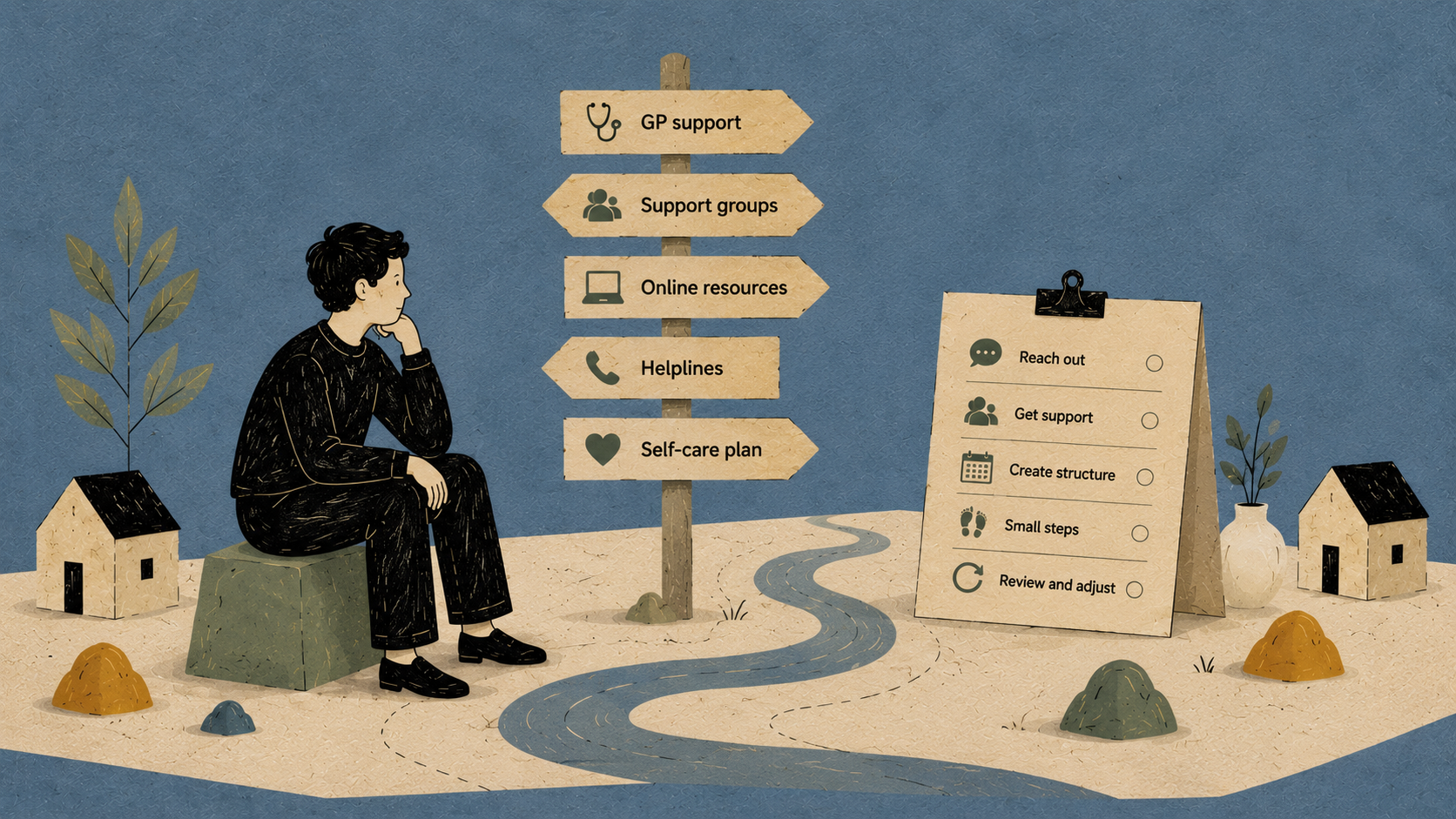
- Open support pathways early: GP, legal information, Services Australia, trusted people.
- Avoid permanent decisions while your life is still unstable.
The goal is not to complete separation in 30 days.
The goal is to make the next week less chaotic than the last one.
If you want a practical place to start, use the Atlas First 30 Days Checklist. It is built for the boring-but-important layer: accounts, documents, money, kids, admin and what needs attention before it becomes expensive.
What does "the first 30 days after separation" mean?
The first 30 days are the stabilisation window after separation becomes real.
That might mean one person has moved out. It might mean the relationship has formally ended but you are still under the same roof. It might mean the kids are now moving between two homes. It might mean nothing external has changed yet, but privately you know life is no longer operating as one household.
This period is not about becoming legally sophisticated.
It is not about rebuilding your identity.
It is not about getting the perfect parenting arrangement, perfect budget, perfect home or perfect emotional posture.
It is about reducing avoidable chaos.
In practice, that means:
- knowing where everyone is sleeping
- knowing what money is available
- protecting access to personal accounts
- saving the documents you may need later
- making the kids' week visible
- getting one legal information pathway open
- getting one health/support pathway open
- keeping communication short, specific and written down
The first month is not the whole map.
It is the part where you stop driving in fog with no headlights.
The Atlas rule for the first month: stabilise before you optimise
Before the checklist, three rules matter.
1. Do less than you think
The instinct in week one is to fix everything.
The finances. The housing. The kids' rhythm. The legal process. The school communication. The subscriptions. The will. The mortgage. The future version of you who apparently eats better, sleeps better and has become fluent in calm detachment.
Leave that person alone for now.
You will not fix everything in week one. Anyone telling you to is probably selling certainty.
Pick the things that reduce risk and confusion first.
2. Write things down
The biggest source of separated chaos is trying to hold every appointment, cost, pickup time, legal date, bill, password issue, school change and verbal agreement in your head while your head is full of other things.
It cannot be done.
Use a notebook, Notes app, spreadsheet, printed checklist or Atlas Admin.
The tool matters less than the rule:
If it affects money, kids, housing, documents or agreements, write it down.
3. Pick a system, not a perfect routine
Routines collapse the first time a kid gets sick, someone changes a pickup time, the washing is still wet, or you wake up at 3:40am with your brain holding a small tribunal.
Systems bend.
A system is:
- one place for money
- one place for kid logistics
- one place for documents
- one place for important notes
- one simple weekly check-in
If you build a system, the week can wobble without falling apart.
The first 30 days after separation checklist
Use this as a practical order of operations.
First 24 hours
Focus: access, money, passwords, screenshots, three trusted people, food and sleep.
Why it matters: protects the basics before panic turns into decisions.
First week
Focus: GP, legal information, Services Australia, rough budget, documents and the kids' calendar.
Why it matters: opens support pathways and turns unknowns into lists.
First month
Focus: kids' rhythm, payment responsibilities, will/super check, communication system, health and money anchors.
Why it matters: turns the separation from an emergency into a working system.
This is not a performance checklist.
It is a load-reduction checklist.
Tick what applies. Ignore what does not. Come back tomorrow.
What to do in the first 24 hours after separation
The first 24 hours are for immediate stability.
Not final answers.
Not moral clarity.
Not long conversations at midnight.
Five things matter.
1. Make sure you can access money for ordinary life
Open a separate bank account in your name only if you need one.
If you can do so safely and without draining joint funds, hiding money, breaching an agreement or creating unnecessary conflict, move enough into it to cover a short period of ordinary expenses.
Think groceries. Transport. Medication. School costs. Phone. Fuel. A few bills.
The point is not to punish the other person.
The point is to make sure you can buy food, get to work, care for the kids and keep basic life moving while the bigger financial questions are sorted properly.
If money already feels unclear, start with the Atlas Finances tool. Do not try to build the perfect post-separation budget today. Just get the real numbers down.
2. Reset your passwords
Change passwords on personal accounts.
Start with:
- banking
- superannuation
- Apple ID
- Google account
- iCloud
- phone provider
- password manager
- MyGov
- cloud storage
- shared shopping accounts if they store cards or addresses
Email matters more than people think. If someone can access your email, they can often reset access to everything else.
If you do not have a password manager, this is a good time to start one.
3. Save a financial baseline
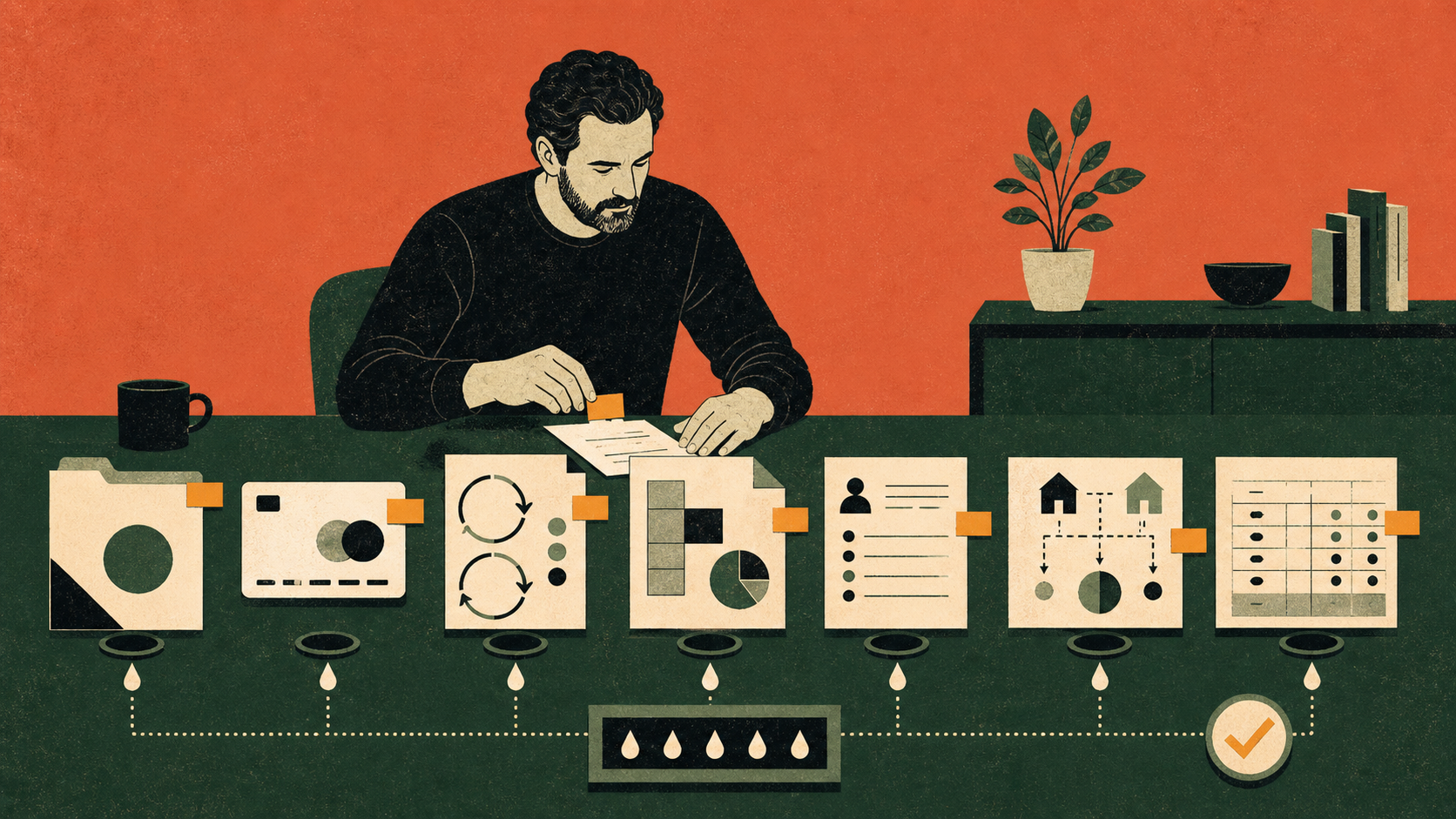
Take screenshots or download statements for joint financial accounts.
Capture:
- current account balances
- recent transactions
- mortgage or rent details
- loan balances
- credit card balances
- offsets or redraw balances
- shared bills
- regular transfers
- direct debits
- subscriptions
You are not doing this because you are planning a fight.
You are doing it because memory is a terrible filing system under stress.
A baseline helps you know what changed, when it changed and what questions to ask later.
4. Tell three people
Not a public post.
Not the group chat.
Three specific adults who can handle the information without turning your life into theatre.
Choose people who can do one of three jobs:
- listen without inflaming things
- help with practical logistics
- remind you not to make a bad decision at 11:30pm
You do not need an audience.
You need a small support structure.
5. Eat, sleep, and reduce the decision load
This sounds too basic until you skip it.
Eat something plain.
Drink water.
Sleep if you can.
Do not start a major conversation when you are exhausted, hungry, flooded or trying to prove you are fine.
The first month is mostly about not making bad decisions.
Bad decisions are easier when your body is running on caffeine, adrenaline and scraps.
What to sort in the first week after separation
Once the immediate things are covered, stretch the timeline.
The first week is for stabilising the basics.
See your GP
Tell your GP what is happening.
If you are eligible, a mental health treatment plan can help you access Medicare rebates for mental health support. In Australia, Better Access allows eligible patients to claim Medicare benefits for up to 10 individual and 10 group mental health treatment services per calendar year.
This does not mean therapy will be free. There may still be a gap payment. But it opens the support pathway before you hit the wall.
If you cannot get a psychologist quickly, read What to do when you can't get a psychologist: the interim system.
Book one legal information session
Book one family law consultation. One.
The goal is not to start a war, engage a lawyer forever or turn your life into case law.
The goal is to understand:
- what your situation roughly looks like
- what you should not do
- what documents matter
- what timelines may apply
- what is urgent and what is not
- what decisions need proper advice before you make them
Separation gets more expensive when people guess.
A legal information session helps you stop guessing.
If mediation is already on the horizon, read How to prepare for mediation: what to organise in the week before.
Check Services Australia, child support and care percentage
If you have children, check what changes after separation.
Separation can affect:
- Family Tax Benefit
- Parenting Payment
- Child Care Subsidy
- child support
- Rent Assistance
- Health Care Card eligibility
- income estimates
- care percentage
You do not need to solve every payment in week one.
You do need to know whether your income, care percentage or eligibility has changed.
Useful starting points:
- Services Australia: help when you're deciding to separate
- Services Australia: learning about child support
- myGov: child support
If you want to estimate child support as part of your broader budget, use the Atlas child support estimator.
Sketch a rough budget
Not a perfect budget. A rough one.
Write down:
- income
- mortgage or rent
- groceries
- school and childcare
- insurance
- utilities
- transport
- debt repayments
- subscriptions
- medical costs
- child support paid or received
- short-term separation costs
- anything you are unsure about
The point is not elegance. The point is to see the gap.
If the number is bad, it is better to know now than discover it through failed direct debits.
Use Atlas Finances to map income, bills, transition costs and child support in one place.
Start a simple document folder
Do not build a museum.
Build a folder.
Save copies of:
- bank statements
- mortgage, loan and credit card statements
- payslips
- tax returns and notices of assessment
- superannuation details
- property documents
- insurance policies
- car registration and insurance
- birth certificates and passports
- Medicare details
- private health insurance
- school fee details
- childcare costs
- major shared bills
- written agreements
- important messages
Use boring folder names. Date first. Topic second. Fancy systems collapse under stress.
2026-05-26_bank-statements
2026-05-26_school-fees
2026-05-26_mortgage
2026-05-26_childcare
2026-05-26_super
For the broader admin layer, use Atlas Admin.
Check your superannuation nomination
Check who is listed on your super.
Depending on your fund and nomination type, your beneficiary nomination may be binding, non-binding, lapsing or non-lapsing. The rules matter.
Do not assume separation automatically updates anything.
Check the fund. Ask what type of nomination you have. Update it if appropriate.
If there is conflict, complexity or uncertainty, get advice before making big changes.
Cancel, split or note shared subscriptions
Shared subscriptions are small money leaks and small emotional hooks.
Check:
- streaming services
- music
- cloud storage
- family app subscriptions
- shopping accounts
- gym memberships
- delivery apps
- toll accounts
- software
- insurance
- phone plans
Cancel what should stop. Split what should separate. Record anything that needs agreement.
What to organise in the first month after separation
The first month is where you start turning emergency into structure.
Not forever structure. Working structure.
Create a temporary kids' rhythm
If children are involved, start with the next seven days.
Then sketch the next month.
Write down:
- where the children sleep each night
- school drop-off and pickup
- handover days and times
- sport and extracurriculars
- uniforms, shoes, bags and devices
- medication and appointments
- homework
- meals
- bedtime and morning routines
- school events
- backup carers
- emergency contacts
A temporary calendar is not a parenting agreement.
It is a way to stop the week falling apart.
Use Atlas Kids Week to make care days, handovers, meals, house rules, school logistics and important dates visible.
If communication with your co-parent is already difficult, read What to do if your ex cuts off communication entirely.
Understand the difference between a working rhythm and a formal agreement
A working rhythm answers:
What happens this week?
A parenting plan or formal agreement answers bigger questions.
In the first month, you usually need the first one before the second one.
That might mean writing down:
- Monday and Tuesday with one parent
- Wednesday and Thursday with the other
- alternate weekends
- one agreed handover location
- one communication channel
- who handles school messages
- what happens if a child is sick
This is not the same as finalising the long-term arrangement.
If you later need something formal, get legal advice about parenting plans, consent orders or court orders. The Family Relationships Online parenting plans guide is a useful plain-English starting point.
Document the money split as it stands
Write down who is currently paying for what.
Not legally. Operationally.
- Mortgage or rent: who is paying it now?
- Electricity: who is paying it now?
- Internet: who is paying it now?
- School fees: who is paying them now?
- Childcare: who is paying it now?
- Health insurance: who is paying it now?
- Kids' sport: who is paying it now?
- Car loan: who is paying it now?
- Credit card: who is paying it now?
- Groceries: who is paying for them now?
- Child support: is anything being paid yet, formally or informally?
The goal is not to settle property.
The goal is to stop vague assumptions becoming expensive surprises.
If you are starting to think about property, read Property settlement after separation: the four steps most people get wrong.
If the family home is the main question, read What happens to the family home after separation?
Keep communication boring
Boring is underrated. Short, specific and written down beats long and emotional.
Use one main channel for practical messages if possible.
Separate:
- kids messages
- money messages
- legal/process messages
- emotional conversations
Do not mix everything into one giant midnight message with six unresolved themes and a small legal hand grenade in paragraph nine.
A useful message is usually factual, specific, short, written, time-bound, and child-focused where children are involved.
Example:
Can you please confirm by 5pm Thursday whether you can do school pickup this Friday? If I do not hear back, I will arrange pickup myself so the kids are covered.
Not warm. Not cold. Useful.
If a message does not need to be sent tonight, draft it. Read it in the morning. Then decide.
Get a will sorted, or at least put it on the list
If you do not have a will, add it to the first-month list.
If you already have one, check whether it still reflects your life.
Online services may be suitable for straightforward situations. If you have property, a business, a blended family, complex assets, significant conflict or anything you do not understand, get proper legal advice.
This is not a "nice to have eventually" task.
It is part of making sure your practical life matches your actual life.
Choose one health anchor and one money anchor
Do not make ten promises to your future self.
Pick two anchors for the next 90 days.
One for your body. One for your money.
Body anchors:
- Walk 20 minutes, four times a week.
- Go to bed by 10:30pm on school nights.
- Book the GP appointment and one follow-up.
Money anchors:
- Track spending once a week.
- Build a $500 emergency buffer.
- Stop using the credit card for groceries.
- Know every bill due in the next 30 days.
Two anchors held seriously beat ten commitments held loosely.
Use Atlas Goals when you are ready to turn the first month into a 90-day rebuild.
What can wait
Some things matter. They just may not matter today.
In the first 30 days, you usually do not need to solve:
- the final property settlement
- the final parenting arrangement
- your long-term identity as a single person
- your dating life
- the perfect new home setup
- a complete ten-year financial plan
- a flawless co-parenting relationship
- the entire emotional meaning of what happened
- every family conversation
- every legal document
- every future version of yourself
Those things may matter later.
The first month is about making the next month survivable.
If you are trying to work out what phase you are actually in, read The four phases of rebuilding after separation.
What not to do in the first 30 days after separation
A short list, all earned in retrospect.
Do not make a major purchase
Cars. Furniture. Holidays. New tech. Expensive symbolic objects that appear in your cart at 12:14am.
The urge to fill a new space or signal a new life is real.
Wait.
Your future budget deserves a vote.
Do not lock in the long-term legal arrangement too early
Interim arrangements can be useful.
Final decisions made while everyone is raw can be harder to unwind.
Get advice before agreeing to anything large, permanent or poorly understood.
This includes property, parenting, child support, relocation, school changes and large financial commitments.
Do not over-talk the separation with the kids
Children need calm, age-appropriate information.
They do not need repeated adult processing.
Tell them the basic truth. Reassure them about what stays steady. Let them ask questions. Keep your adult distress away from their job description.
Do not post about it
Not the cryptic quote. Not the gym selfie with a "new chapter" caption. Not the public dignity statement. Not the pointed song lyric.
None of it helps.
Some of it may be read by people you wish had not read it.
Do not negotiate everything by text while angry
Written records matter. So does tone.
If you need to discuss money, kids or logistics, write the practical point and remove the emotional argument.
Then wait ten minutes.
If the message can wait until morning, let it wait.
Do not decide who you are yet
The first 30 days are not the time for a total identity rebuild.
New body. New business. New partner. New philosophy. New haircut that deserves a board meeting.
Maybe later.
Right now, you are triaging.
Be patient with the person doing the triage.
The first-month weekly check-in
At the end of each week, ask five questions. Do not make it complicated.
- Money: what money issue cannot drift this week?
- Kids: what kids-week issue needs to be clearer?
- Housing: what housing, access or household issue needs sorting?
- Admin: what document, account or deadline needs action?
- Support: who do I need to contact before this gets heavier?
Then pick one action for the next seven days.
Not five.
One.
The next plain thing.
What this all adds up to
Thirty days is not long.
By the end of it, you are aiming for:
- one bank account you can access
- personal passwords changed
- a rough budget written down
- a financial baseline saved
- key documents copied
- one GP/support pathway opened
- one legal information pathway opened
- Services Australia and child support checked if relevant
- a temporary kids' rhythm in writing
- one practical communication channel
- a basic record of who is paying for what
- super nomination checked
- will added to the list or updated
- one health anchor
- one money anchor
That is not nothing.
That is the floor.
The rest of the rebuild gets built on it.
Atlas exists because life after separation is not only a legal process or an emotional process. It is also a practical one. Money has to be understood. Kids' weeks have to run. Admin has to be handled. Decisions have to be sequenced.
You still need proper legal, financial or mental health advice for the big decisions.
But you should not need to invent the basic operating system from scratch.
Use Atlas to make the first layer visible:
- Finances: income, bills, transition costs, child support estimate and budget gap
- Kids Week: care days, handovers, meals, house rules, school logistics and routines
- Admin: documents, accounts, checklists and important records
- Goals: 90-day anchors when you are ready to move from stabilising to rebuilding
- Guides: practical reading for the stage you are in
Start with the thing that is loudest.
Then do the next plain thing.
Useful next reads
If you are still in the first month, these are the most useful next pieces:
- The four phases of rebuilding after separation — Work out whether you are in Survive, Stabilise, Rebuild or New Chapter.
- The plain-English glossary of separation terms — Use this when legal, financial or parenting language starts to blur.
- What to do when you can't get a psychologist: the interim system — Use this if you need support but cannot get an appointment quickly.
- How to prepare for mediation: what to organise in the week before — Use this when mediation or family dispute resolution is approaching.
- What to do if your ex cuts off communication entirely — Use this if communication about kids or admin has gone quiet or chaotic.
- Property settlement after separation: the four steps most people get wrong — Use this before you start guessing about who gets what.
- What happens to the family home after separation? — Use this if the home is the major practical and emotional question.
External sources and useful Australian references
- Services Australia: help when you're deciding to separate
- Services Australia: learning about child support
- myGov: child support
- Australian Government Department of Health: Better Access initiative
- Services Australia: mental health care and Medicare
- Federal Circuit and Family Court of Australia: pre-action procedures for parenting cases
- Federal Circuit and Family Court of Australia: pre-action procedures for financial cases
- Family Relationships Online: parenting plans